




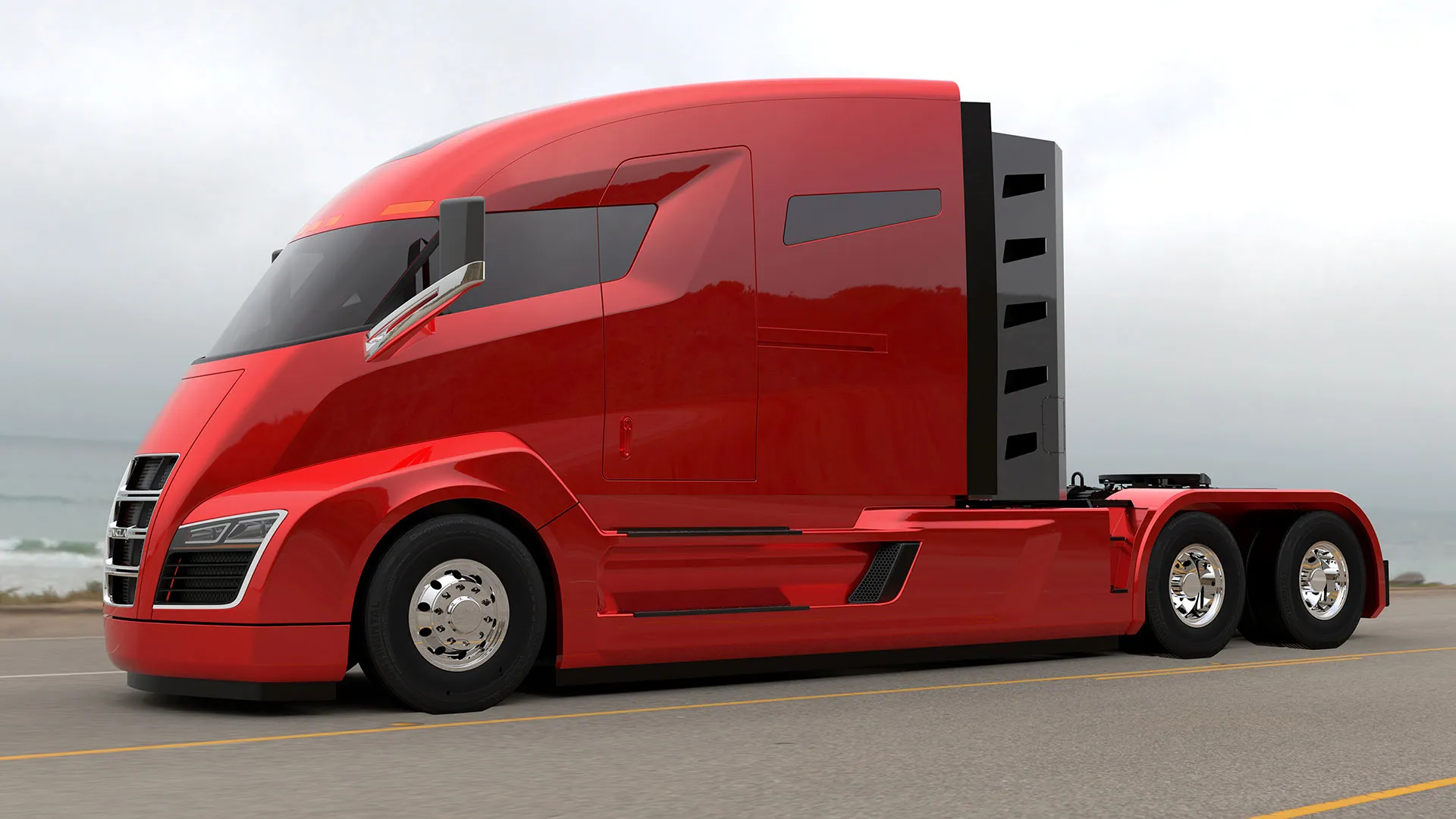
The electrification of commercial transportation is no longer a distant vision—it’s accelerating fast, and British Columbia is leading the way. As we move through 2025, a growing number of medium- and heavy-duty trucks on BC’s roads are either fully electric or diesel-electric hybrids. Driven by government incentives, evolving infrastructure, and regulatory pressure to decarbonize, this shift is creating both challenges and enormous opportunities for fleet operators.
In this article, we explore how fleets in Surrey and the Greater Vancouver Area can stay ahead of the curve by strategically adopting electric and hybrid trucks. We’ll cover real-world examples, funding programs, key considerations, and how Mainland Truck & Trailer Sales can help support the transition to cleaner, more cost-effective logistics.
1. A Global Movement Hits the Local Market
Globally, electric truck adoption is growing at a record pace. According to BloombergNEF, over 90,000 electric medium- and heavy-duty trucks were sold worldwide in 2024—a nearly 80% year-over-year increase. While China leads in volume, North America is experiencing rapid acceleration thanks to improved battery tech, policy support, and falling total cost of ownership (TCO).
In British Columbia, the trend is gaining momentum faster than anywhere else in Canada:
-
CleanBC mandates that all new medium- and heavy-duty trucks sold after 2040 must be zero-emission.
-
Local cities like Colwood and Vancouver have already integrated fully electric trucks into municipal operations.
-
BC Hydro and private partners are rapidly expanding commercial EV charging networks along Highway 1 and near industrial hubs like Delta and Surrey.
For Surrey-based fleets—especially those in regional, urban, or intermodal logistics—now is the time to explore electrification.
2. Understanding the Benefits of Electric Trucks
Electrifying your fleet isn’t just about meeting environmental targets. It also opens doors to significant operational and financial benefits:
a) Lower Operating Costs
Electric trucks eliminate diesel costs and significantly reduce maintenance expenses. With fewer moving parts, no oil changes, and regenerative braking systems, studies show up to 40–60% savings in total maintenance costs over a truck’s lifecycle.
b) Quieter and Smoother Operations
EVs are quieter and smoother than diesel counterparts. This makes them ideal for night-time urban deliveries and residential routes—improving both driver satisfaction and public perception.
c) Government Incentives
BC fleets can take advantage of generous funding:
-
Federal iMHZEV Program: Up to $150,000 per vehicle for eligible zero-emission medium and heavy-duty trucks.
-
CleanBC Go Electric: Stacks with federal funding for added savings.
-
Charging Infrastructure Grants: Cover up to 50% of hardware and installation costs.
d) Emissions Compliance
Switching to electric helps avoid future carbon penalties and aligns with corporate sustainability goals. It also supports contract bids for companies requiring ESG-compliant logistics partners.
3. The Rise of Diesel-Electric Hybrids: A Transitional Path
Not every fleet is ready to go fully electric—and that’s okay. Diesel-electric hybrid trucks are emerging as a practical bridge solution, especially for applications requiring range or power flexibility.
One standout example is BC-based Edison Motors, which builds hybrid Class 8 trucks using a locomotive-style drivetrain. Their system uses a diesel engine to charge a battery pack that powers electric motors, providing torque and efficiency in all conditions—including the mountains and forests of British Columbia.
Key Benefits of Hybrids:
-
Extended Range: No need to stop for charging on longer hauls.
-
Instant Torque: Electric motors provide rapid acceleration—ideal for stop-start environments.
-
Lower Fuel Use: Reduces diesel consumption by up to 40%.
-
Easier Infrastructure Rollout: No immediate need for large-scale charging stations.
4. Use Cases: Where Electric & Hybrid Trucks Make the Most Sense
Not every operation needs an electric truck—but many do. Let’s break down some ideal use-cases:
Urban Delivery (EVs)
-
High stop-start frequency
-
Quiet zone regulations
-
Daily ranges under 300 km
-
Ideal for box trucks, reefer vans, and dry vans
Port & Yard Operations (EVs or Hybrids)
-
24/7 uptime with fast-charging tractors
-
Predictable routes and charging windows
-
Zero emissions near densely populated areas
Logging & Resource Hauling (Hybrids)
-
Long-range with regenerative braking on descents
-
Tough terrain and heavy loads
-
Infrequent access to high-capacity chargers
Regional Distribution (Hybrids or Extended-Range EVs)
-
Mixed urban/highway cycles
-
Central depot charging with fallback diesel use
-
Provincial hub routes (Surrey ↔ Kelowna, Nanaimo, Kamloops)
5. Addressing Common Concerns About Going Electric
Concern 1: “What about charging infrastructure?”
Surrey is rapidly becoming EV-friendly. As of Q2 2025:
-
Surrey and Delta offer over 20 commercial-grade EV charging locations.
-
BC Hydro’s Fast Charging Expansion Plan targets major industrial corridors.
-
Fleet-only depot charging is eligible for 50% rebates under the BC Go Electric Fleets Program.
Mainland TTS partners with infrastructure consultants to help customers design and plan depot installations for maximum ROI.
Concern 2: “Aren’t EV trucks more expensive?”
While purchase prices are higher upfront, the payback period is shrinking rapidly. With fuel savings, reduced maintenance, and rebates, many fleets report full payback within 3–5 years.
Concern 3: “Is the technology reliable?”
OEMs like Volvo, Freightliner, and BYD are now on their third and fourth generation electric trucks. In the U.S., real-world use cases show over 98% uptime for properly maintained electric Class 6–8 vehicles.
6. Telematics & Data: Getting Smarter About Your Fleet
Electric trucks come standard with advanced telematics—giving fleet managers real-time access to:
-
Battery health and range predictions
-
Charging cycles and optimization
-
Route planning based on charging availability
-
Driver behavior analytics (regenerative braking, acceleration efficiency)
For fleets already using telematics on diesel units, this is a natural next step. And for newcomers, it’s an opportunity to leap ahead on operational intelligence.
7. Financing & Leasing Electric Trucks: How Mainland TTS Can Help
We understand that electrification involves both capital and planning. That’s why Mainland Truck & Trailer Sales offers:
-
Flexible Leasing: Avoid large upfront investments while still accessing cutting-edge EVs and hybrids.
-
Incentive Guidance: We help you apply for and combine provincial and federal grants.
-
Financing via Blue Capital Equipment Finance: Custom payment structures, including seasonal payments, balloon terms, and early buyout options.
Our experienced team will walk you through the process—from spec selection to delivery and service scheduling.
8. Preparing Your Team for EV Transition
Successful electrification isn’t just about the truck—it’s about people. Here’s how Surrey fleets are preparing their teams:
-
Driver Training: Understanding EV braking, acceleration, and energy conservation.
-
Maintenance Upskilling: Teaching technicians how to handle battery systems safely.
-
Route Optimization: Leveraging software to match delivery plans with charge schedules.
-
Safety Planning: Establishing best practices for emergency response and high-voltage system awareness.
Need help getting started? Mainland TTS provides fleet education resources, including orientation checklists and maintenance planning tools.
9. The Road Ahead: Long-Term Fleet Planning
By 2030, it’s expected that more than 40% of new Class 4–8 trucks in Canada will be zero-emission. That makes 2025 the ideal window to pilot, learn, and refine your electrification strategy.
For Surrey-based logistics companies, the pressure is not just regulatory—it’s competitive. Shippers and 3PLs are actively seeking clean, ESG-aligned partners. Being early to the EV transition gives your fleet a credibility and sustainability edge that can help you win more contracts.
10. Why Partner With Mainland Truck & Trailer Sales?
As one of Western Canada’s most trusted commercial equipment dealers, we’re uniquely positioned to help your fleet electrify.
-
🔌 EV-Ready Inventory: We offer new and used electric trucks and hybrids through OEM partnerships.
-
💰 Rebate Expertise: Maximize available funding with our grant navigation services.
-
🔧 Maintenance Support: Access technicians trained in EV service or connect with our vetted partners.
-
🛠️ Custom Lease & Financing: Whether you want to lease a single yard tractor or finance a fleet of hybrid semis, we’ve got you covered.
-
🏢 Fleet Consulting: We help you plan charging, route shifts, and driver education.
Ready to Take the First Step?
📍 Visit Us: 9616 188 Street, Surrey, BC V4N 3M2
📞 Call: +1 866-888-6887
🌐 Explore Inventory: www.MainlandTTS.com
📩 Email: info@mainlandtts.com
Let’s electrify your fleet—strategically, affordably, and ahead of the curve


Comments (25)


Anonymous
November 11, 2025 at 06:18 pmYour article helped me a lot, is there any more related content? Thanks!

Binance推荐码
November 11, 2025 at 10:48 pmThank you for your sharing. I am worried that I lack creative ideas. It is your article that makes me full of hope. Thank you. But, I have a question, can you help me? https://www.binance.info/de-CH/register?ref=W0BCQMF1

binance open account
December 12, 2025 at 11:26 amCan you be more specific about the content of your article? After reading it, I still have some doubts. Hope you can help me. https://accounts.binance.info/de-CH/register-person?ref=W0BCQMF1

7m.cn vn ma cao
December 12, 2025 at 08:32 pmIf you're into the VN scene in Macau, 7m.cn vn ma cao is a good resource. Just sayin', it's there if you need it.


Код binance
January 01, 2026 at 11:15 amCan you be more specific about the content of your article? After reading it, I still have some doubts. Hope you can help me.

Registro en Binance
January 01, 2026 at 06:57 pmCan you be more specific about the content of your article? After reading it, I still have some doubts. Hope you can help me. https://www.binance.info/register?ref=IHJUI7TF

hindubetgame
January 01, 2026 at 04:04 amHindubetgame. A lot of these sites kinda blend together, but it seems to offer a decent game selection if you're keen for a punt. Check it out there: hindubetgame.

winpotdeportes
January 01, 2026 at 04:04 amWinpotdeportes, checked this out for sports betting. Quite straightforward, I must say, and fairly easy to navigate. Might become my regular platform. Have a look if that's what you are looking for: winpotdeportes


1666betcasino
February 02, 2026 at 08:52 am1666betcasino? Not bad, not bad. Some good games to keep you busy, and the payouts are decent. Give it a whirl! Find it here: 1666betcasino

Daftar di Binance
February 02, 2026 at 01:12 amCan you be more specific about the content of your article? After reading it, I still have some doubts. Hope you can help me. https://accounts.binance.info/register-person?ref=IXBIAFVY

Crea un account binance
February 02, 2026 at 11:52 amCan you be more specific about the content of your article? After reading it, I still have some doubts. Hope you can help me.

bono de registro en Binance
February 02, 2026 at 11:02 pmYour article helped me a lot, is there any more related content? Thanks!

Zarejestruj sie na www.binance.com
February 02, 2026 at 06:33 pmYour article helped me a lot, is there any more related content? Thanks! https://accounts.binance.info/da-DK/register?ref=V3MG69RO

binance
February 02, 2026 at 03:53 amCan you be more specific about the content of your article? After reading it, I still have some doubts. Hope you can help me.

Binance推荐奖金
March 03, 2026 at 04:32 amYour article helped me a lot, is there any more related content? Thanks! https://www.binance.info/pt-PT/register?ref=KDN7HDOR

Registrera dig
March 03, 2026 at 05:18 amThanks for sharing. I read many of your blog posts, cool, your blog is very good.

最佳Binance推荐代码
March 03, 2026 at 08:57 pmCan you be more specific about the content of your article? After reading it, I still have some doubts. Hope you can help me. https://www.binance.com/join?ref=IHJUI7TF

binance h"anvisning
March 03, 2026 at 02:19 pmI don't think the title of your article matches the content lol. Just kidding, mainly because I had some doubts after reading the article. https://accounts.binance.com/register-person?ref=JW3W4Y3A

binance-ны алдым-ау бонусы
March 03, 2026 at 05:51 amYour article helped me a lot, is there any more related content? Thanks!
Post A Comment

Stay ahead in a rapidly world. Subscribe to Prysm Insights,our monthly look at the critical issues facing global business.
mind vault
October 10, 2025 at 04:40 pm**mind vault** mind vault is a premium cognitive support formula created for adults 45+. It’s thoughtfully designed to help maintain clear thinking